6 Reasons We Prefer Plant-Based Protein to Whey
6 Reasons We Prefer Plant-Based Protein to Whey
Think protein powder has to be whey? Not at all.
When people talk about protein supplements, they usually mean whey, right? But there are far more options than that.
Plant-based proteins – such as those from soy, pea and rice – are fast emerging as tasty alternatives to dairy-based proteins, such as whey. We’ve spoken before about our co-founders’ personal move towards plant-based options, and here we look at the reasons behind their decision.
Pea + rice = all 9 essential amino acids

If you lift weights regularly, whey may be the first protein you think of. But in recent years, more and more research comparing pea and rice proteins with whey has been coming out.
One thing worth knowing: many plant proteins, unlike those from animal sources, are not complete, meaning that they don’t contain sufficient amounts of all 9 of the essential building blocks of protein (known as amino acids). They may be low in Leucine, for example, one of the most talked-about essential amino acids. The good news is that pea and rice proteins have different strengths – it’s when they’re combined that they really shine, each filling in what the other lacks.
That’s why we’ve designed our Organic Plant-Based Protein to blend pea and rice proteins into a complete mix of all 9 essential amino acids, plus added BCAAs (branched-chain amino acids: L-leucine, L-valine and L-isoleucine) – lab tests put total BCAAs at 3.0–3.7 g per 40 g serving, depending on flavour.
They naturally contain fibre

Plant-based proteins don’t just bring protein. Peas and rice are plants, so they naturally come with some fibre too.
Cow’s milk, which whey is made from, contains no fibre at all. That’s one more reason we chose plants as our protein source in the first place.
No lactose – another option for people who avoid dairy

Many people, especially in Thailand, don’t digest lactose – the natural sugar in cow’s milk – very well, because their bodies make only small amounts of lactase, the enzyme that breaks lactose down. This is what’s known as lactose intolerance. Since whey is made from milk, it contains lactose too – how much depends on the type of whey.
Pea and rice proteins come from plants, so they contain no lactose to begin with, making them another option for people who avoid dairy.
Pea and rice proteins are also considered hypoallergenic, meaning they are unlikely to trigger allergic reactions in most people. In comparison, dairy products, such as whey and milk protein, as well as some other plant-based protein sources such as soy, are among the foods that more commonly cause allergic reactions.(9)
Rice and peas – ordinary foods we know well
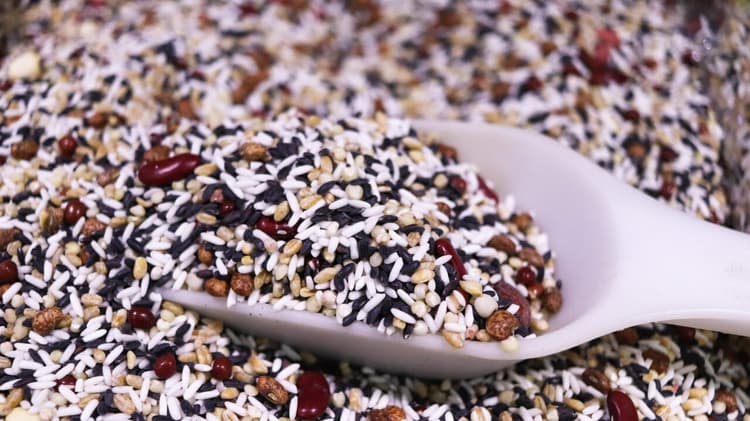
Rice is Thailand’s staple food, and peas are a vegetable you’ll find in almost every market. Our protein comes from ordinary ingredients you already know well – no dictionary needed.
Researchers are still studying many other aspects of rice and pea protein, but in this article we’re sticking to what’s in our tub, plain and simple: protein, a complete set of essential amino acids, fibre and no lactose.
It is much easier to find plant-based protein powders that are organic
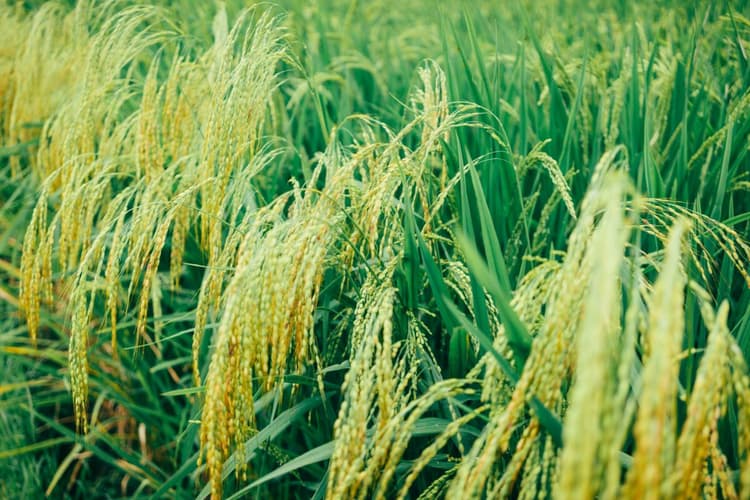
Unfortunately whey protein is usually made from non-organic milk. The cows producing it are often fed antibiotics, hormones and food grown using chemicals like pesticides or herbicides. While it is possible to find organic whey protein powders, they are pretty rare.
In comparison, organic plant-based proteins are more commonly available, though still not as much as we’d like. That’s partly why we have created Heyday products using 100% organic plant proteins.
There are so many good reasons to eat organic and we can’t go into all of them here. But in an (organic) nutshell, it’s better for the planet(17) and it gives you much more confidence about what you’re putting into your body.
Plant-based proteins are better for the environment

Eating a predominantly plant-based diet is well known to be better for the environment than consuming animal products.(18) Dairy farming in particular is one of the largest contributors to global warming, due to the significant amounts of methane cows release as they digest their food.
What’s more, mass dairy farming can also be very harsh on the cows themselves. They’re often kept in crowded, unclean conditions, pumped full of hormones and other nasties in order to force their bodies to produce more milk than is natural for them. As part of this process, mothers are also separated from their young calves.
Shifting to plant-based alternatives where there are tasty options that are easy to find, such as with your protein powder, is a great way to make your contribution towards combatting these issues and playing your part in helping the planet.